
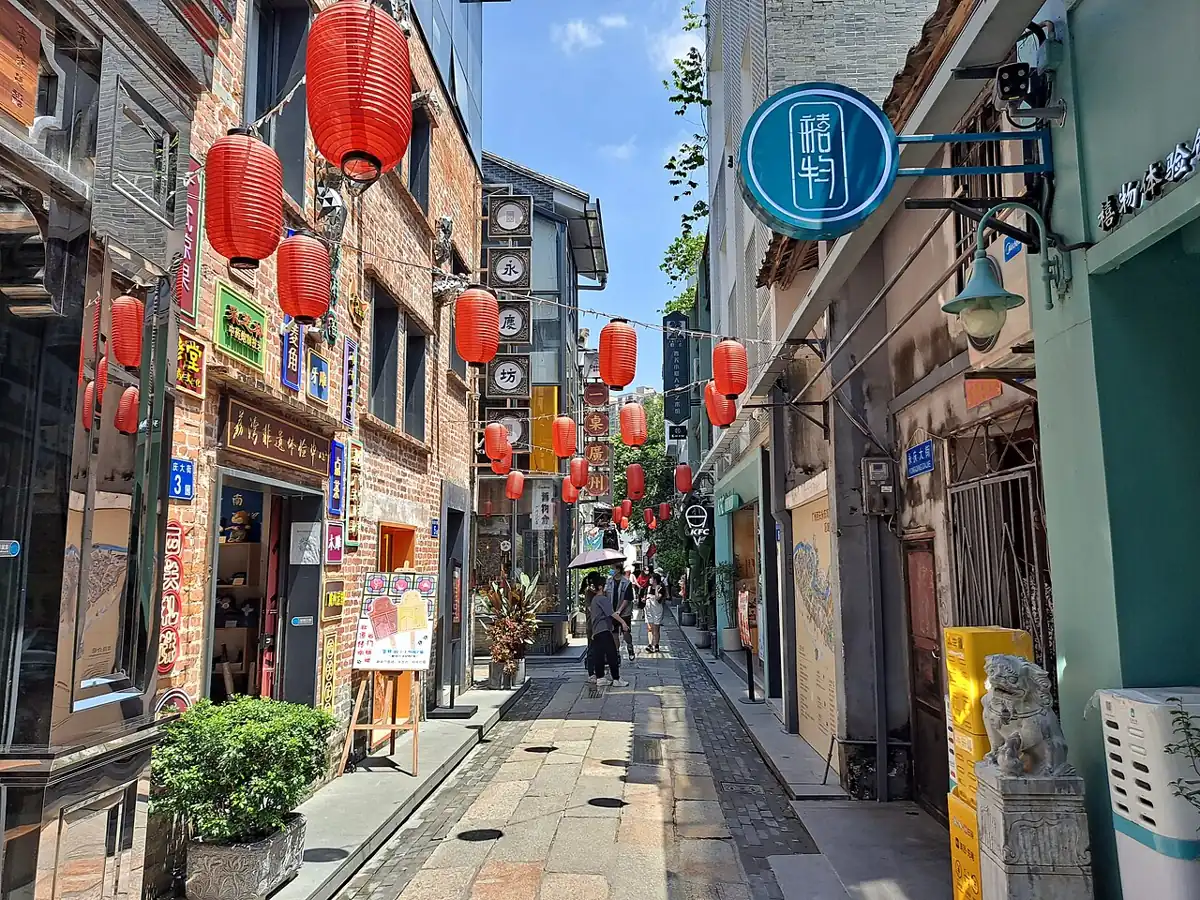
Try a few dishes with a clear plan
Select one or two dishes that interest you and leave time to sit and eat. Different restaurants use different recipes, so a familiar dish name does not guarantee identical ingredients. Discuss portions, bones, offal, cooking methods and any restrictions before ordering. Ask for a simple explanation or translated ingredient list where needed.
Ask specifically for mild food
Explain whether you need no chilli, no chilli oil and no Sichuan pepper rather than only saying less spicy. Broths, dressings and dipping sauces may contain seasonings even when the main ingredients look plain. Choose a restaurant able to answer clearly and ask whether sauces can be served separately. A mild dish is not automatically suitable for an allergy.
Use practical food-hygiene habits
WHO’s food-safety guidance emphasises cleanliness, keeping raw and cooked foods apart, thorough cooking, suitable storage temperatures and safe water. When travelling, choose food that has been handled and served appropriately, keep hands clean and do not use appearance alone to judge safety. If unsure about preparation or storage, choose another option.
Treat allergies and dietary rules individually
Carry a concise written description of allergies or dietary requirements and check ingredients and preparation with each venue. Vegetarian, halal, gluten-free and other needs should not be inferred from an area or a menu label alone. If the venue cannot confirm suitability, do not rely on reassurance without detail. Follow your clinician’s existing travel plan for any known serious allergy.