
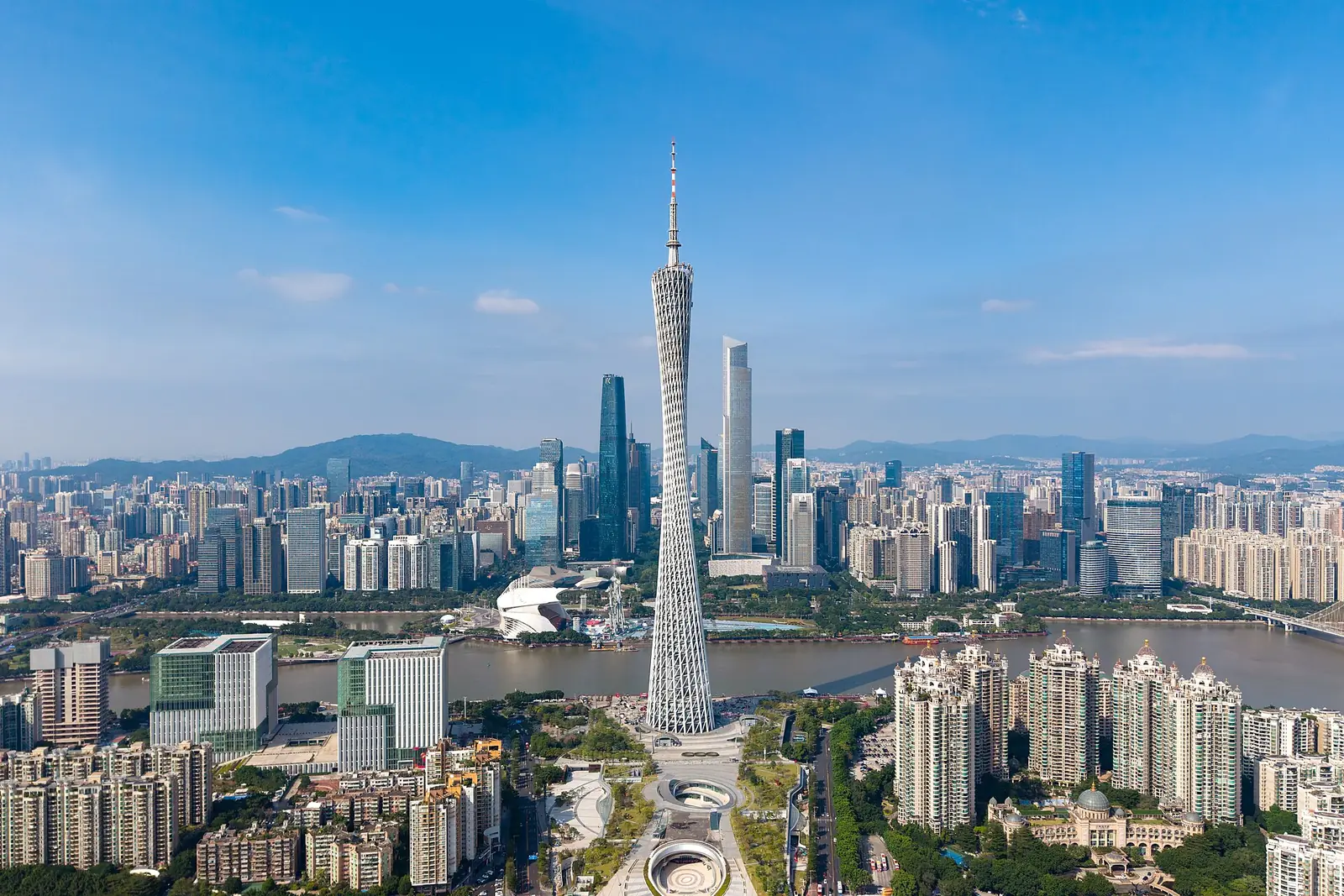
Guangzhou invites you to explore southern China through food, craftsmanship and life beside the Pearl River. A day can begin with a considered introduction to Cantonese dining, continue through the decorative details of the Chen Clan Ancestral Hall and finish with a riverside view toward Canton Tower. The city’s older streets and modern landmarks tell different stories, so a balanced itinerary leaves space for both. Two or three days are a practical starting point for an urban visit, with time to linger over meals rather than packing every hour with sightseeing. Travellers interested in Lingnan culture can give more attention to historic neighbourhoods and folk art; others may prefer the contemporary waterfront and shopping districts. Any extension beyond Guangzhou should be planned as a distinct addition with its own transport time. Food choices, heat, rain and the needs of different ages all affect the pace. These ideas are a basis for discussion, with tickets and specific services confirmed for your dates.
Plan a comfortable pace
2–3 days as a planning starting point is a suggested starting point, not a fixed requirement. Leave room for weather, queues and breaks.
Practical notes
- Plan outdoor walking with breaks and an indoor alternative.
- Mention allergies and dietary restrictions before discussing restaurant options.
- Keep waterfront visits flexible around weather and travel time.
Places to explore
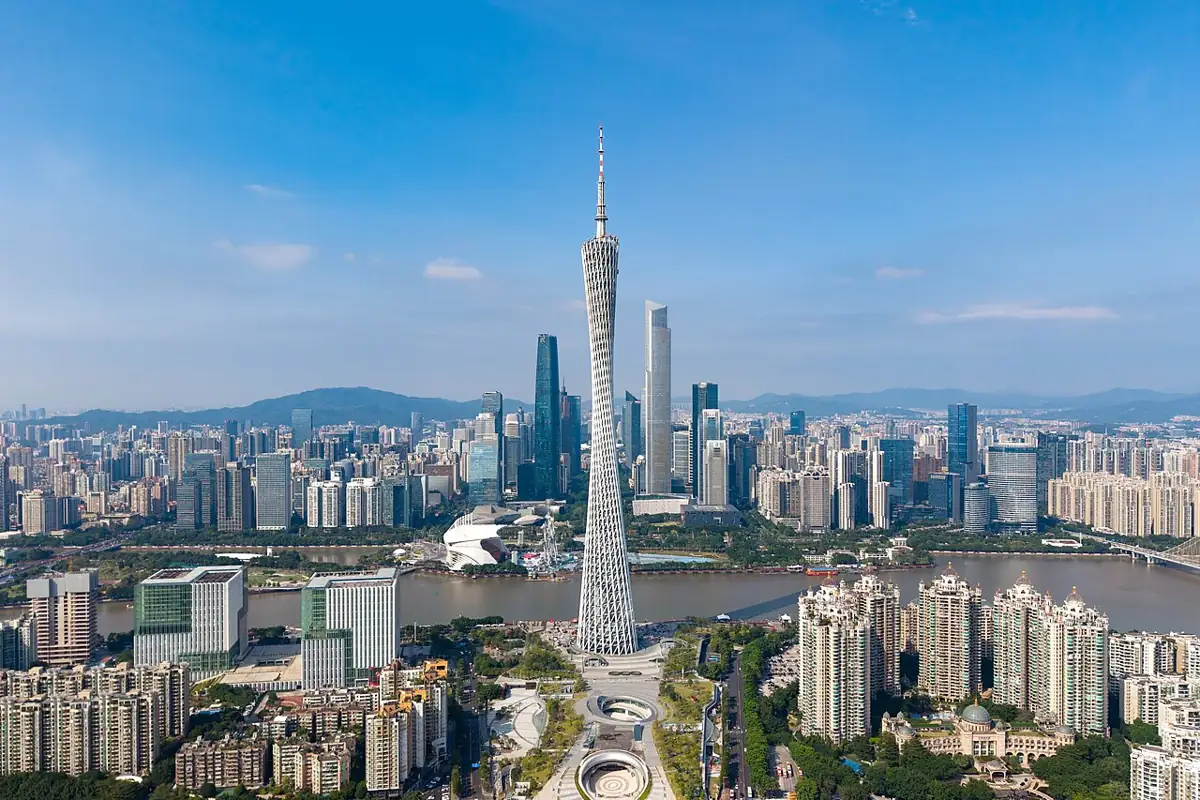
Canton Tower
Canton Tower’s waisted form and open lattice structure make it a distinctive landmark on the south bank of the Pearl River. Close views emphasise structure and scale; from the riverfront or opposite bank, the tower becomes part of a composition of bridges, water and high-rises. Daylight defines its outline, while changing evening colour adds another mood. Architecture enthusiasts, photographers and families can combine it with a river walk and meal. An optional observation experience reveals the wider city pattern, but surrounding public spaces also offer rewarding views. Choose an exterior or elevated experience to suit weather and comfort with heights.
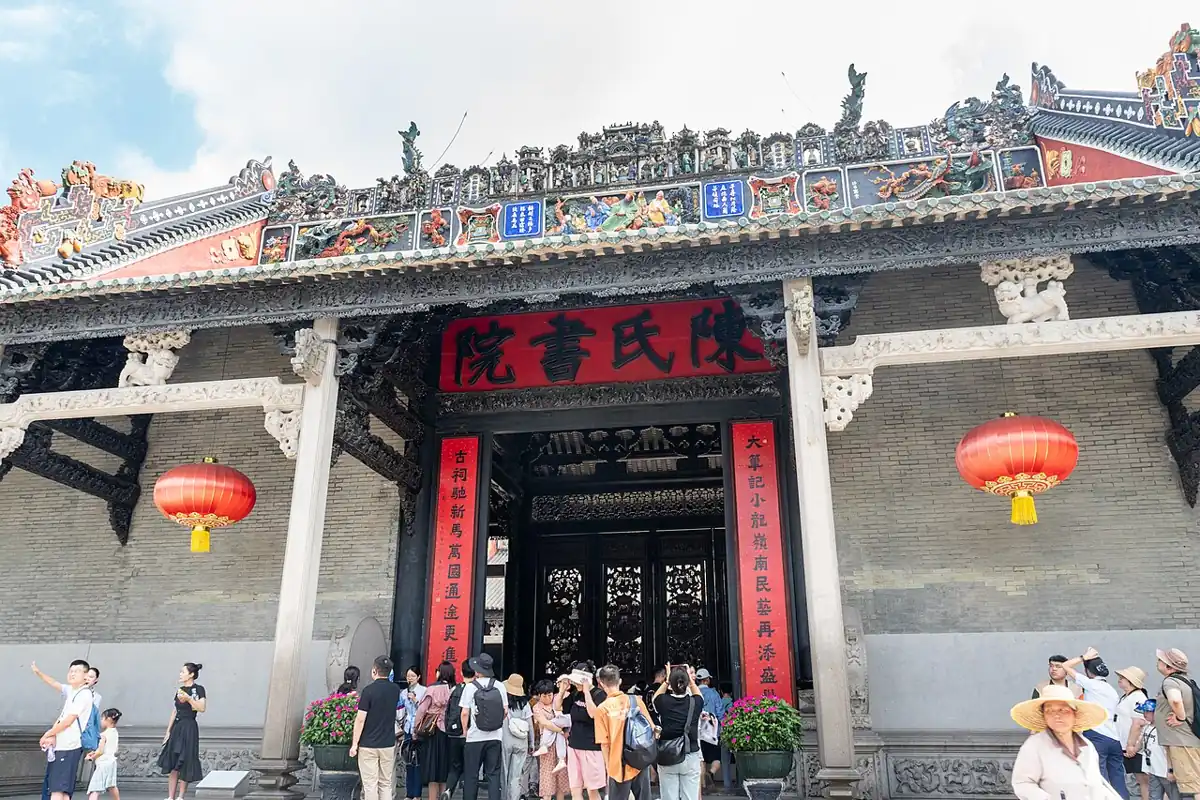
Chen Clan Ancestral Hall
Chen Clan Ancestral Hall is known for Lingnan architecture and decorative craft. Courtyards, halls, corridors and roof ridges offer close studies of brick, wood, stone and ceramic textures. Figures, plants and narrative motifs make the building itself a cultural picture book. Begin with the layout, then examine windows, beams and roof decoration to see structure and artistry together. It suits both craft enthusiasts and first-time visitors to Guangzhou. Families can identify selected patterns, while photographers explore relief, light and framed courtyards. Allow an unhurried architectural visit before linking it with everyday streets and food in Xiguan.
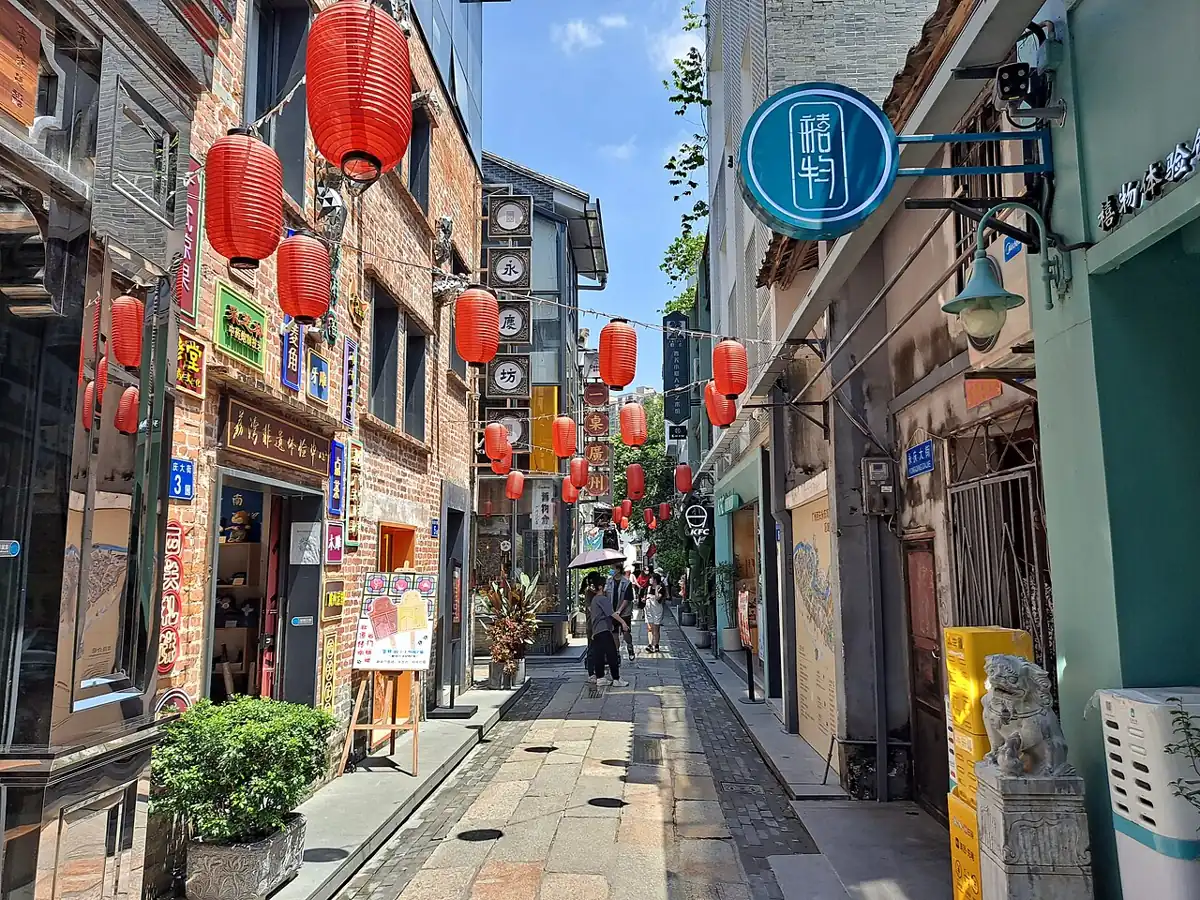
Yongqingfang and Xiguan Lanes
Yongqingfang and nearby Xiguan lanes weave traditional Guangzhou architecture, local craft and contemporary life together. Lingnan houses, arcaded streets, brick façades and waterside corners create a changing pedestrian setting. Tea, snacks, cultural spaces and craft shops show how older neighbourhood forms support new uses. Photographers can look for the relationship between roofs, signs and people; cultural interests can focus on craft and Cantonese traditions. An easy sequence of short walks and pauses suits the area better than a strict photo checklist. Combine it with Chen Clan Hall or Shamian to compare architectural character, allowing time for food and selected activities.
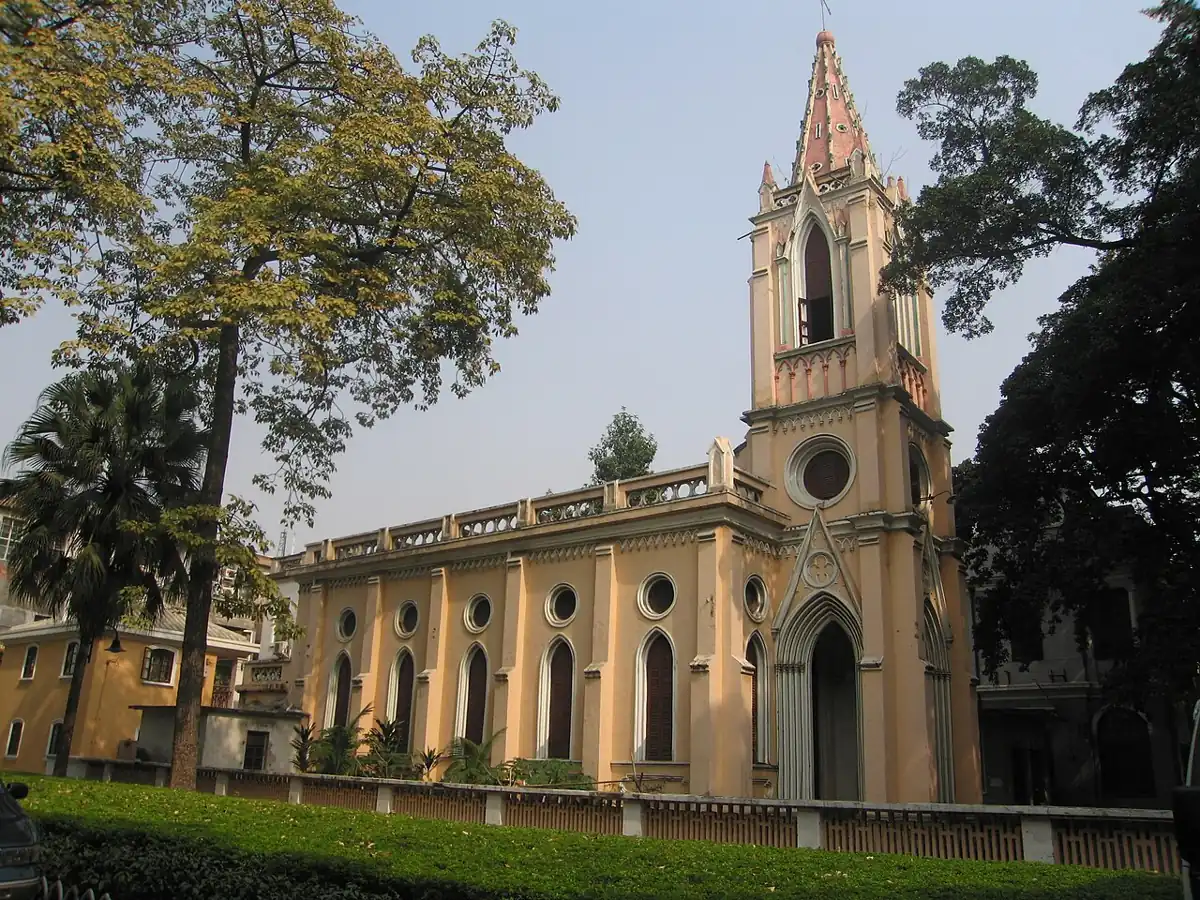
Shamian Island
Shamian presents a distinctive chapter of Guangzhou’s modern history through shaded streets, historic buildings and open riverfront space. Verandas, windows, columns and rooflines give individual façades their character, while tree shadows soften the streets. Turning corners reveals the continuity of the ensemble alongside benches, planting and everyday pedestrians. It suits architecture, street photography and leisurely walking, encouraging views of the neighbourhood rather than one isolated building. The riverfront adds a more open finish of water and sky. Combine it with Xiguan and a relaxed meal or tea. Enjoy street exteriors and check access separately for any specific building.
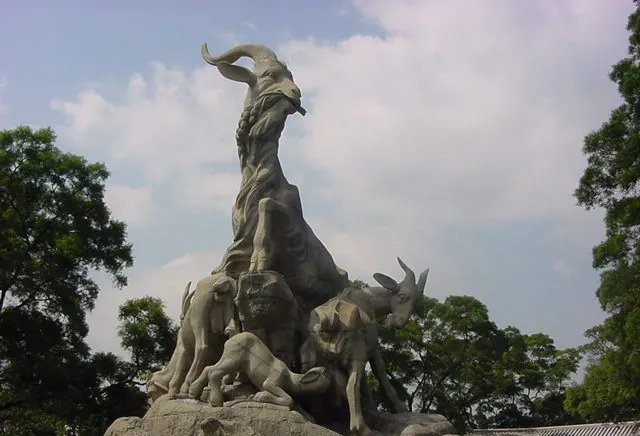
Yuexiu Park
Yuexiu Park brings hills, lakes and Guangzhou’s historical memory into the city’s greenery. The Five Rams sculpture gives a visible form to local legend, while the Zhenhai Tower area and old wall remains suggest a longer urban history. Trees, water and park paths provide a gentle setting between cultural stops. Choose a climb or stay near shaded paths and lakes to observe daily recreation. Families can connect stories with sculpture and walls; photographers can explore canopies, reflections and seasonal colour. One or two priorities and a seated break can make a satisfying visit. Match the route and climbing to the group’s stamina.
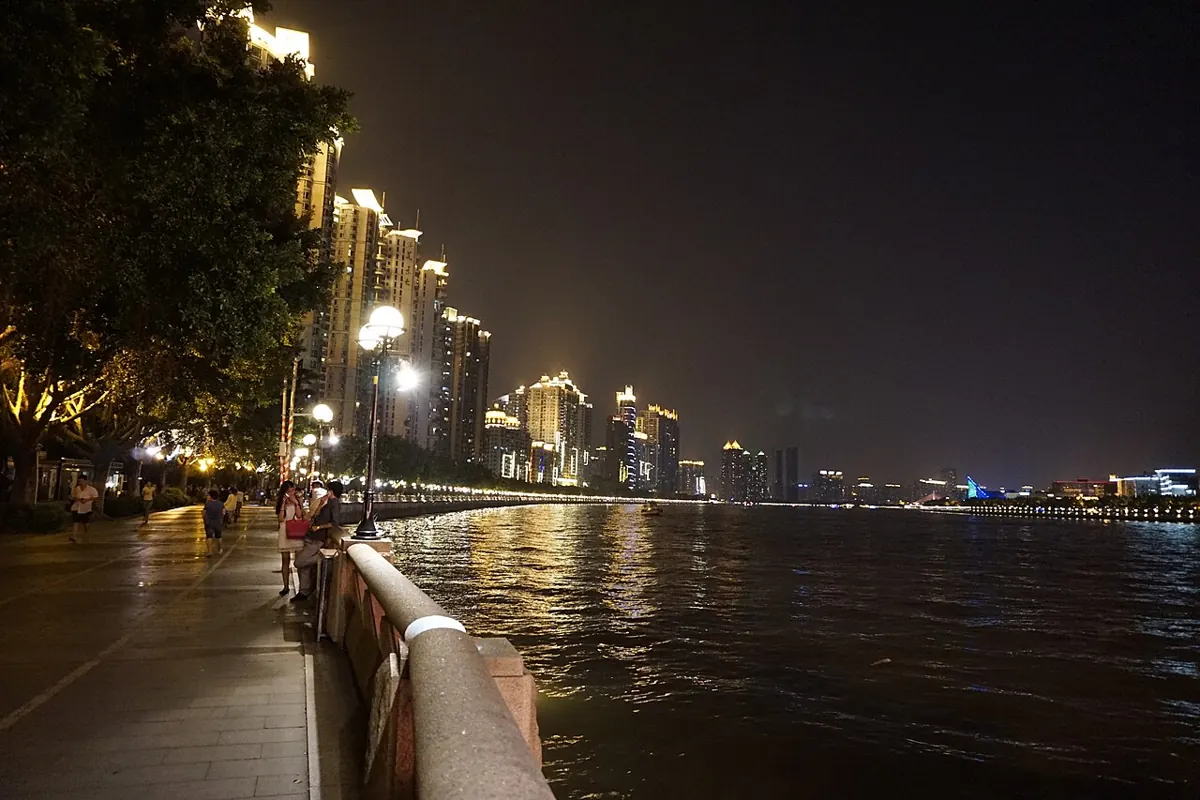
The Pearl River Waterfront
The Pearl River connects Guangzhou’s districts, bridges and waterfront life into a continuous cityscape. Walking along selected banks reveals older neighbourhoods and contemporary towers, while boats and moving light add rhythm to the architecture. Canton Tower and the modern skyline offer one view; other stretches reveal everyday recreation and street life. Daylight helps read the urban setting, evening lengthens the play of colour, and night adds illuminated bridge reflections. Link a walk with local food, seated rest or photography. An optional cruise changes the sequence and perspective of the banks. Choose a specific waterfront stretch and confirm any pier, route and sailing separately.
Questions before you go
Can the itinerary include a food theme?
Are the tower and a night cruise included?
Can Guangzhou be combined with another city?
For current opening times, ticketing and entry requirements, consult official sources. Official source 1 · Official source 2 · Official source 3 · Official source 4 · Official source 5 · Official source 6 · Official source 7 · Official source 8
Explore this destination