
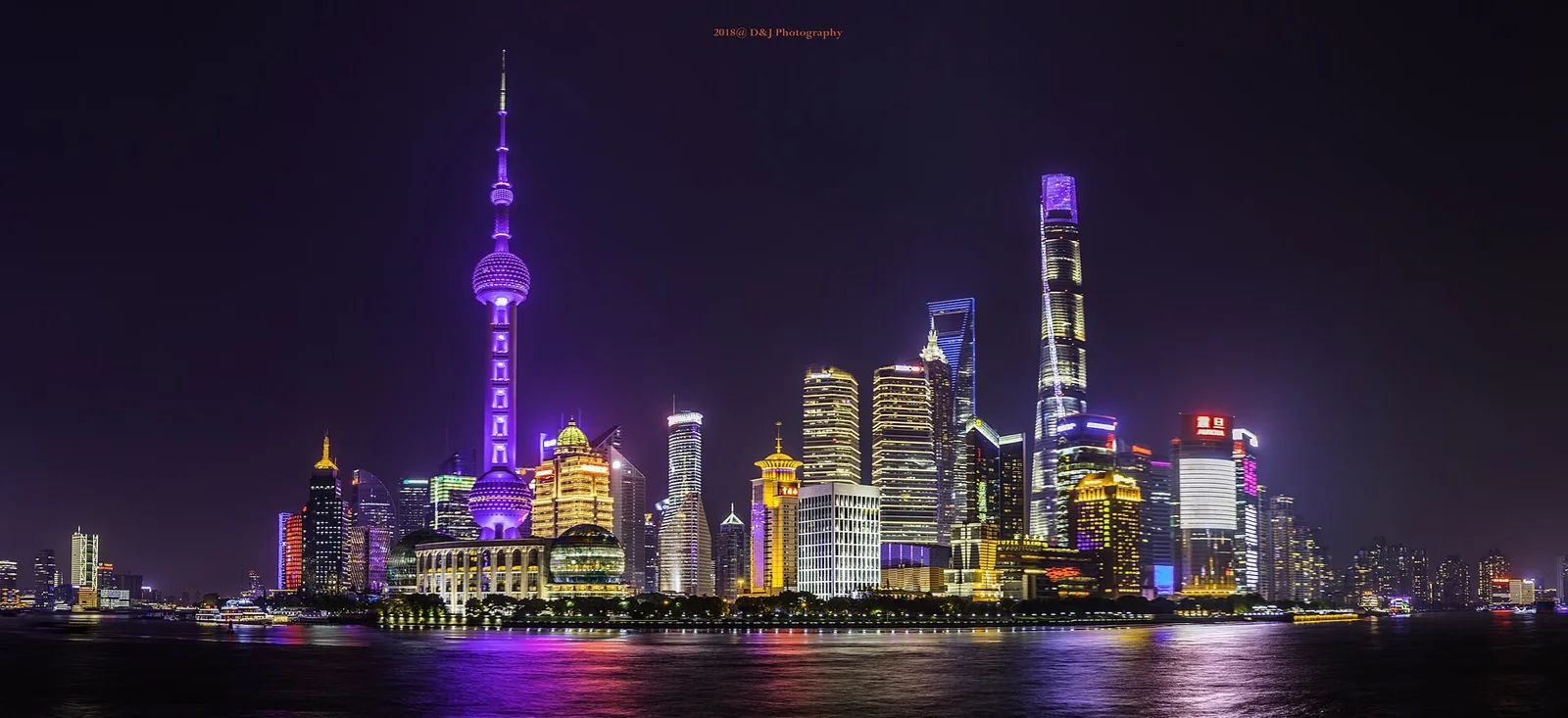
Shanghai is a city of contrasts best understood at street level and along the river. Begin with the Bund’s historic waterfront, look across to the towers of Lujiazui, then step into the smaller-scale spaces around Yu Garden and neighbourhood lanes. Architecture, contemporary culture, food and shopping can be combined without turning each day into a race between landmarks. Two or three days make a useful city introduction, with one evening reserved for the changing light on the Huangpu River. Choose a museum, design district or longer walking route according to your interests, rather than treating every attraction as essential. For families or travellers arriving after a long flight, shorter outings with generous breaks work well. River cruises, observation decks and special exhibitions are optional ideas that require separate availability checks. The final plan should account for your arrival airport, hotel area, walking preferences and the time you want to spend simply enjoying the city.
Plan a comfortable pace
2–3 days as a planning starting point is a suggested starting point, not a fixed requirement. Leave room for weather, queues and breaks.
Practical notes
- Choose your hotel area after deciding which side of the river and which neighbourhoods you will visit.
- Leave an indoor alternative for wet or very hot weather.
- Discuss dietary preferences when planning food stops.
Places to explore
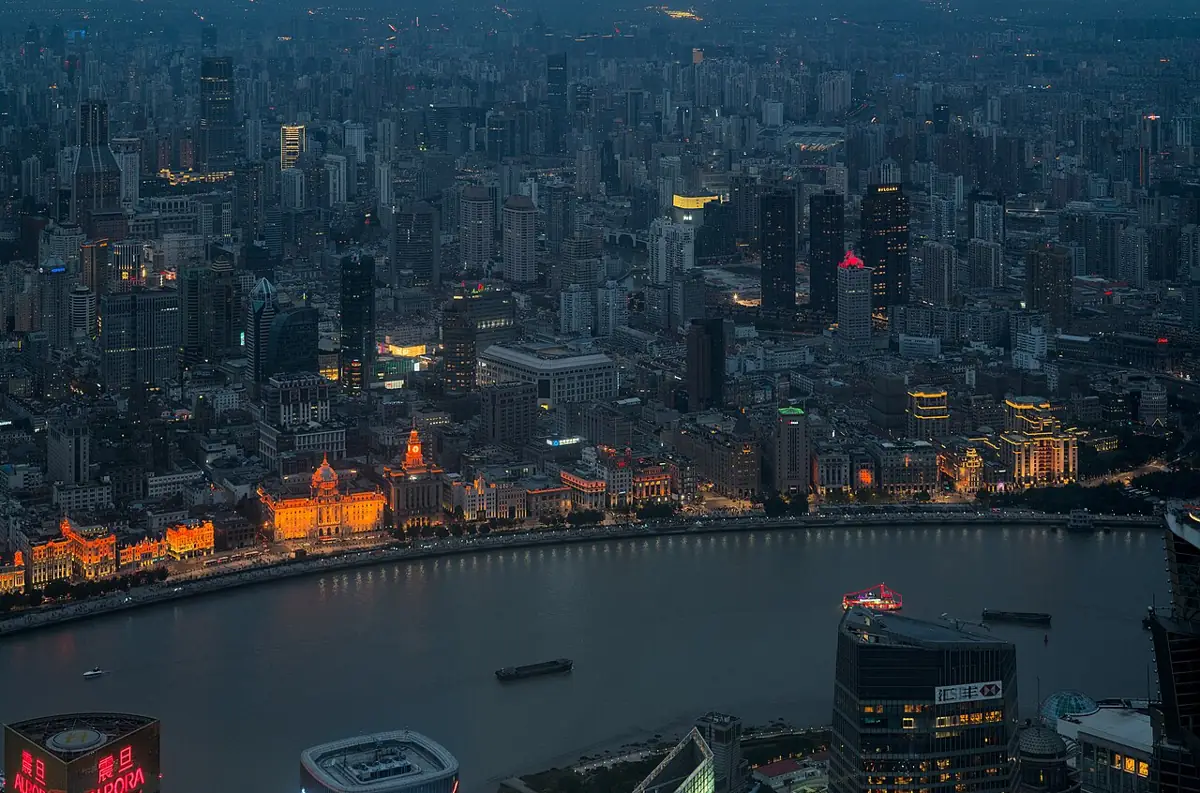
The Bund
The Bund places Shanghai’s historic façades opposite Lujiazui’s contemporary skyline across the Huangpu. Stonework, colonnades, clock towers and varied rooflines give the waterfront a rich architectural character, while street openings continually draw the eye back to the river. Daylight reveals details; evening changes the relationship between buildings, reflections and passing boats. Its appeal lies as much in moving viewpoints as in one panorama. Photographers can vary distance, architecture lovers can compare styles, and families can link an easy river walk with a nearby meal. Choose a manageable start and finish, with time to pause and return.
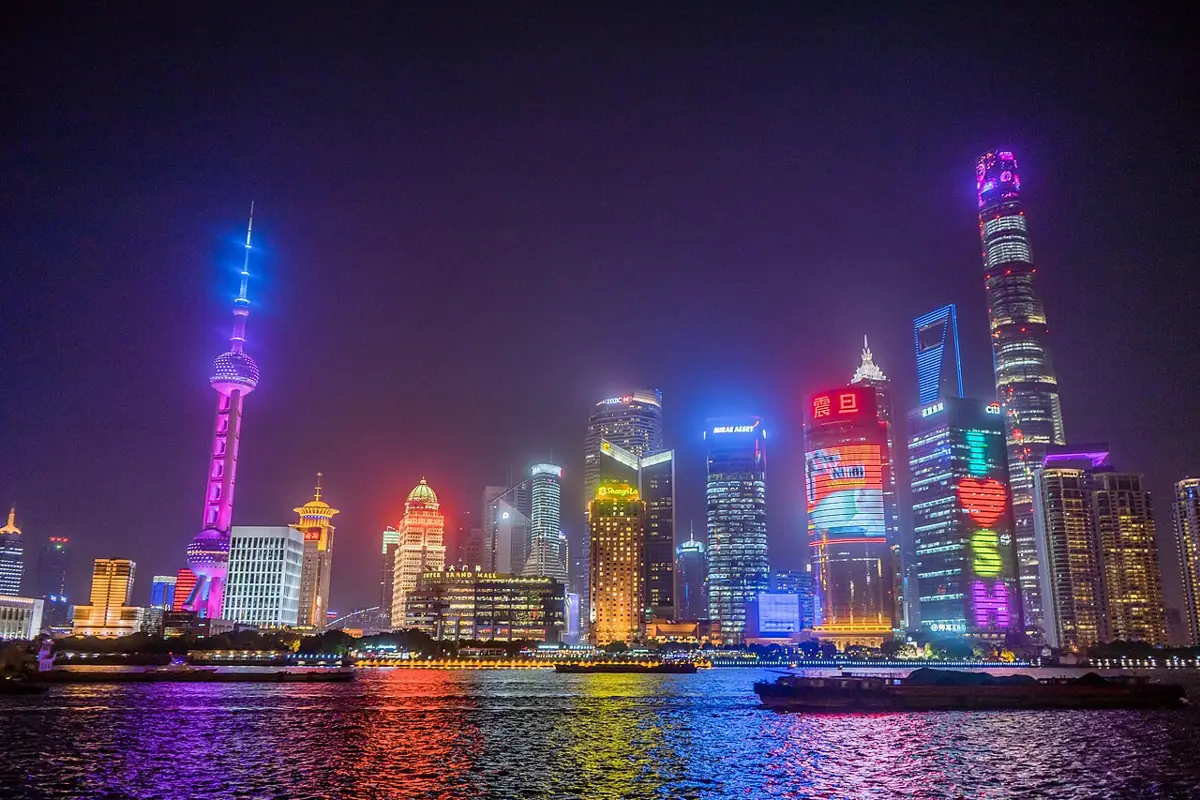
Lujiazui
Lujiazui brings towers, plazas, elevated walkways and riverfront space into a distinctive modern cityscape. Landmarks such as the Oriental Pearl contrast with differently shaped skyscrapers, while a ground-level walk reveals materials and dramatic changes of scale. From the waterfront, the Bund forms a continuous historic façade across the river. Street-level views show daily movement and public space; an optional observation deck reveals the river, bridges and the city’s wider pattern. Architecture, photography and urban-design interests all find useful perspectives here. Select one elevated experience if desired and include river crossings and walking between stops in the route.
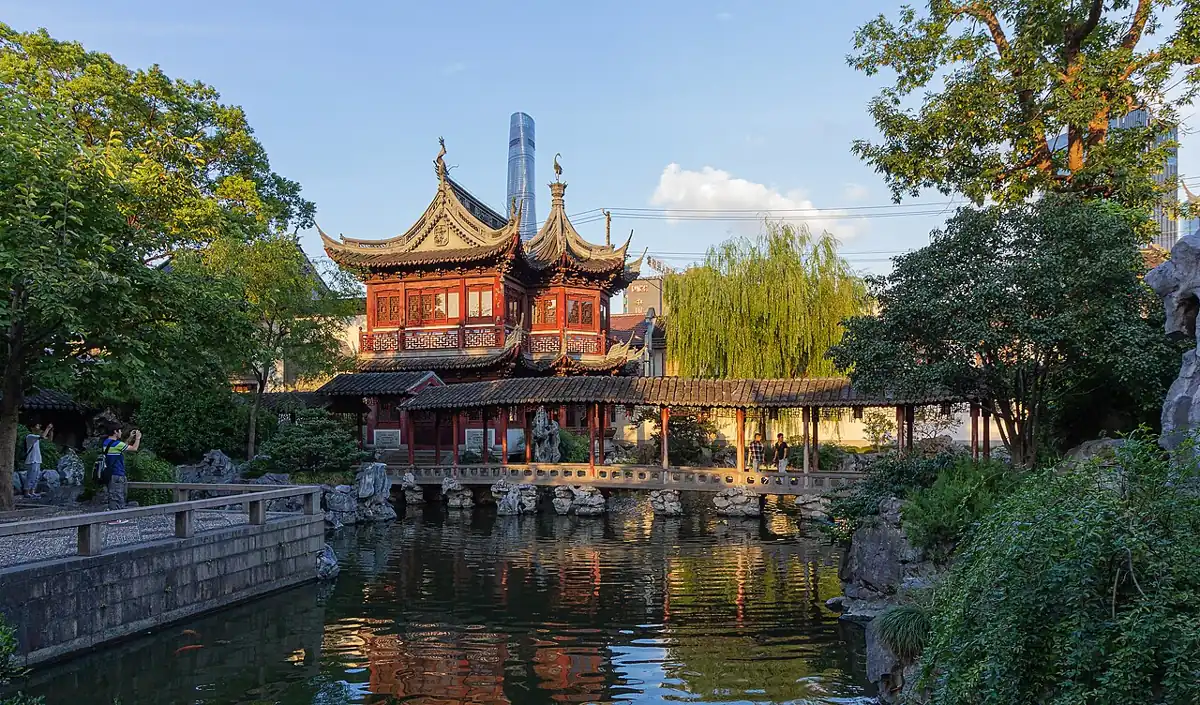
Yu Garden and the Old City
Yu Garden creates an intimate Jiangnan landscape of rockeries, pools, pavilions and winding corridors within busy Shanghai. A window, roofline or turn opens another composition: stone and water balance each other, courtyards shift in scale, and plants add depth to distant buildings. Slow walking reveals how a compact garden can produce a sequence of changing scenes. Architecture lovers and photographers can study framed views and reflections; families can explore shapes and water together. Outside, old-city shops and local food offer a lively contrast. Treat the garden and surrounding streets as separate parts of the visit, allowing time for both.
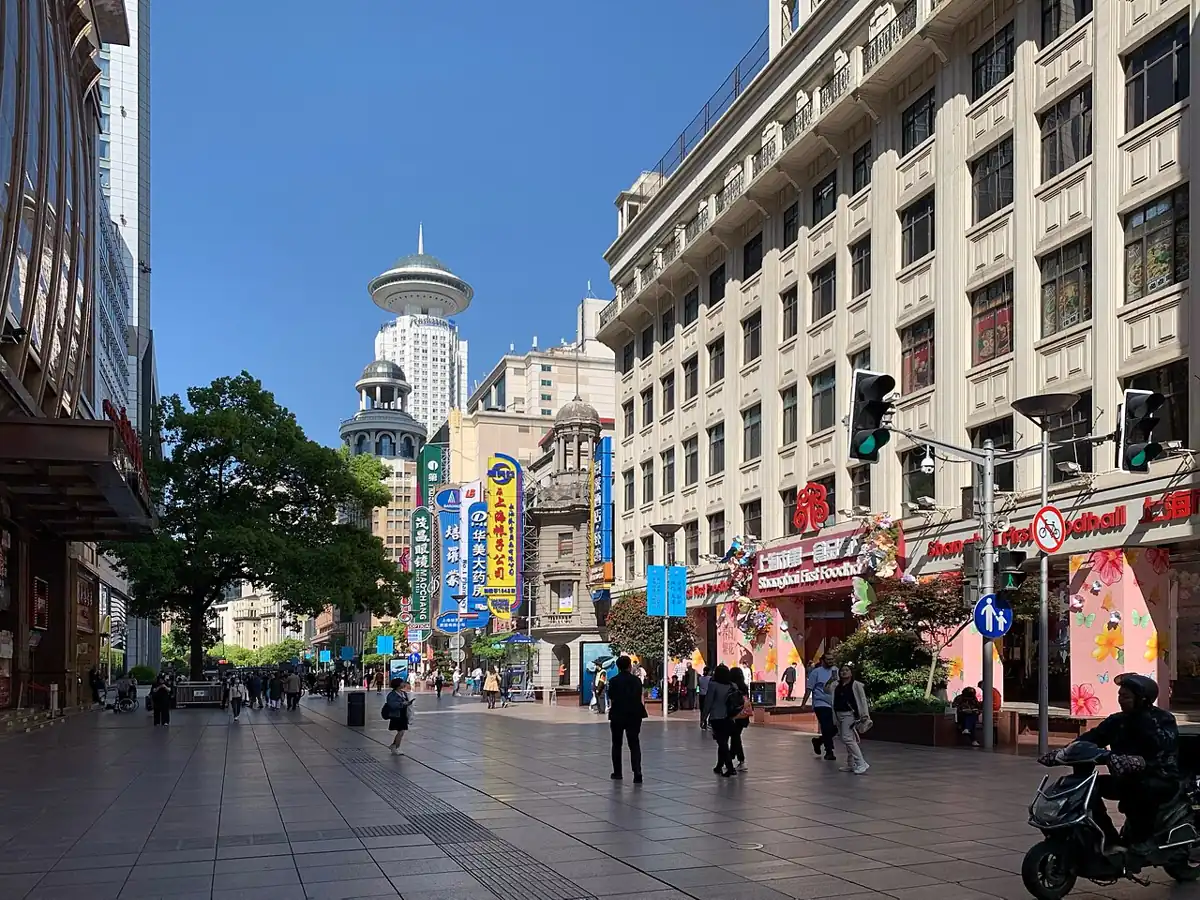
Nanjing Road Pedestrian Street
Nanjing Road connects Shanghai’s commercial memory with department-store façades and contemporary street life. Buildings from different periods, signs and shop windows form a lively setting for everyday movement. Beyond shopping, it invites a slower look at entrances, storefront design and the rhythm of the street, with coffee or snacks along the way. Daylight highlights architectural proportions; evening brings another commercial atmosphere. Linked with the Bund or People’s Square, it provides a clear thread through the central city. Choose a stretch that matches your interests and include rest or food rather than feeling obliged to walk its full length.
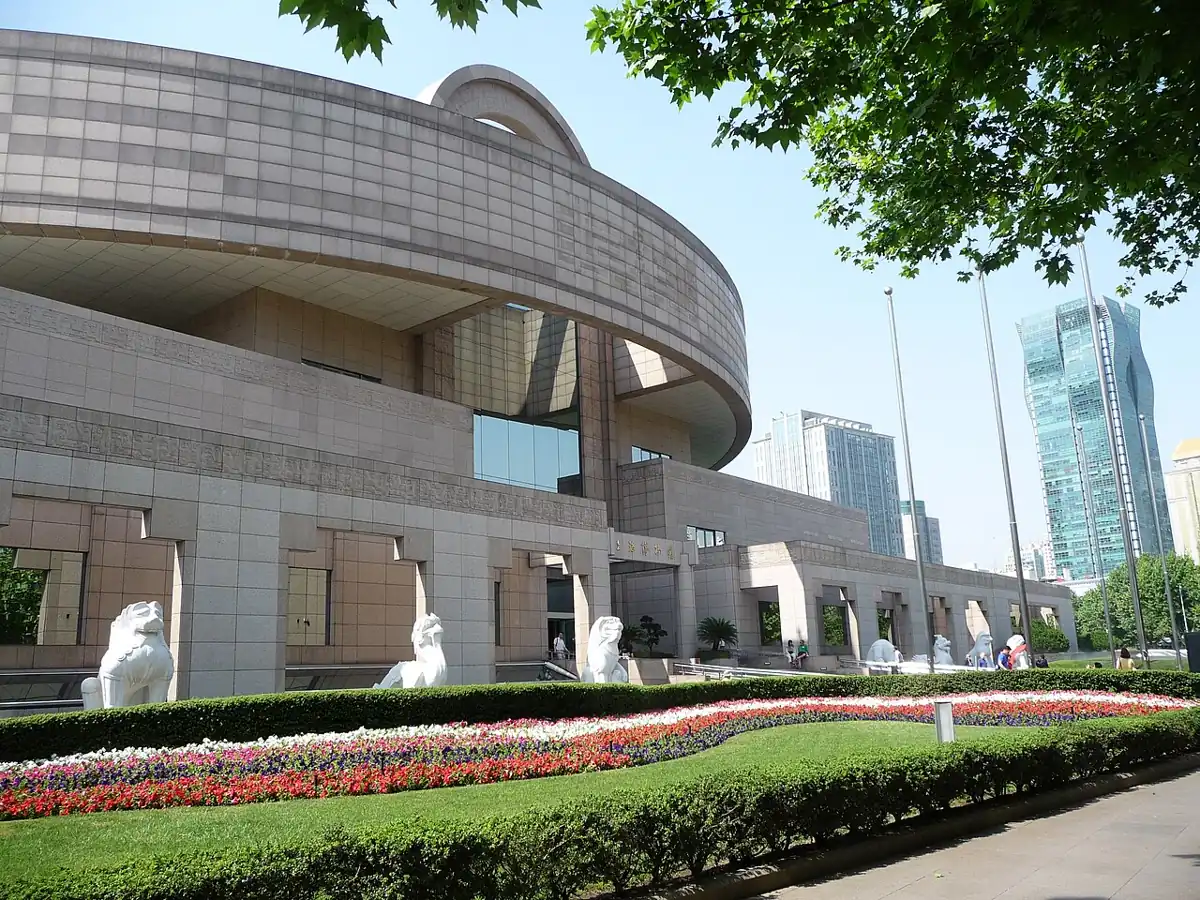
Shanghai Museum at People’s Square
Shanghai Museum offers an object-based introduction to Chinese art. Bronze decoration, ceramic glazes, calligraphy, painting and varied materials turn historical periods into tangible forms, colours and craftsmanship. Follow a material or an era, comparing use and technique, or begin with one object that captures your attention. The People’s Square building links naturally with central neighbourhoods, while the East Museum is a separate venue with its own arrangements. A focused visit suits both newcomers and existing art interests, adding a quieter contrast to busy city streets. Choose the venue and desired exhibitions first, then confirm current access and displays.
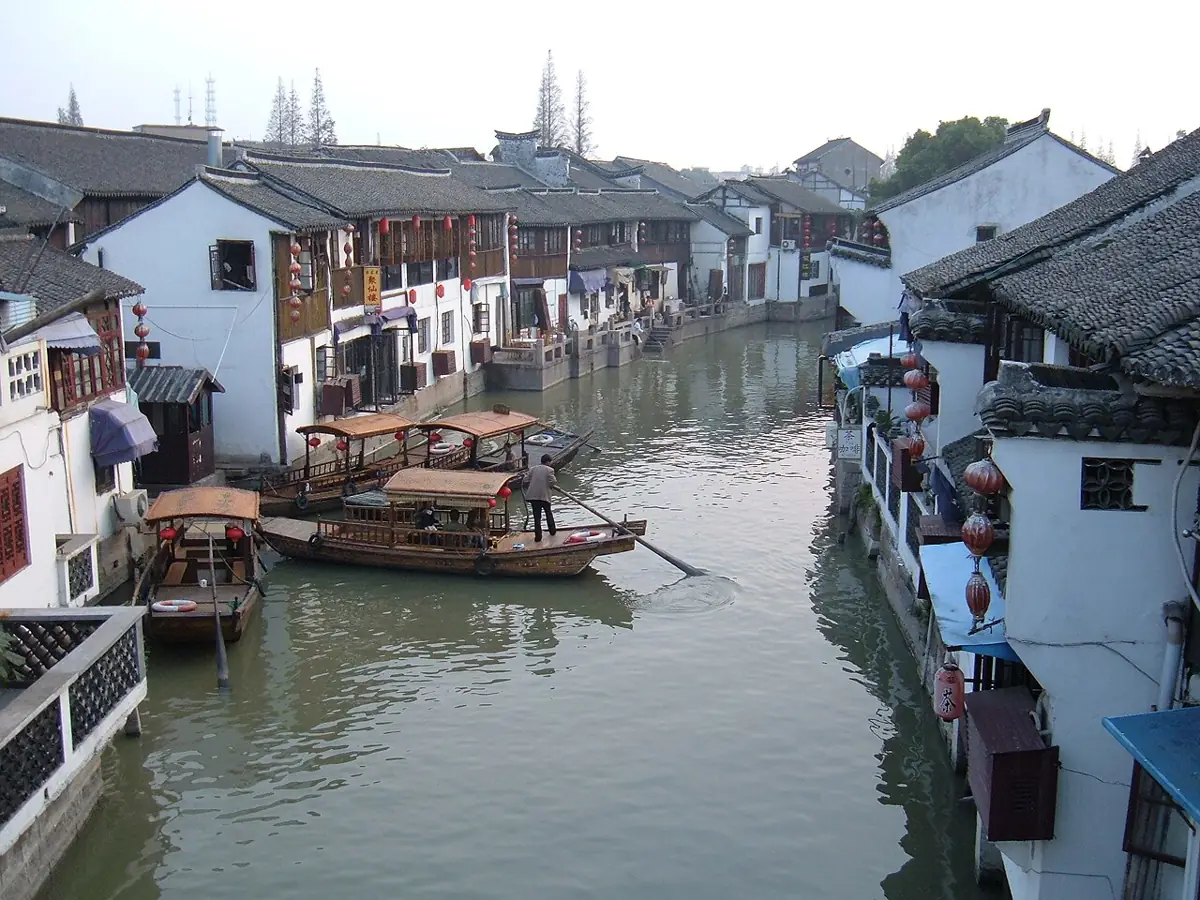
Zhujiajiao Water Town
Zhujiajiao in Qingpu contrasts with central Shanghai through canals, stone bridges, waterside lanes and Jiangnan houses. Bridge openings and reflections create intimate compositions, while narrow streets connect shops, courtyards and open river edges. From a bridge, rooflines follow the water; at street level, doors, signs and daily trade bring another perspective. A gentle walk, selected local food and a tea break suit the setting. Photographers can explore depth and reflections, and families can connect bridges and boats with waterside life. Allow a substantial window for the return journey and walking, then confirm any optional garden or boat experience.
Questions before you go
Is a river cruise necessary?
Can the trip focus on neighbourhoods rather than towers?
Can I add a nearby destination?
For current opening times, ticketing and entry requirements, consult official sources. Official source 1 · Official source 2 · Official source 3 · Official source 4 · Official source 5
Explore this destination